

How To Start A Farm in Texas: The Complete Guide [2025]
Starting a farm is more than a business idea—it is a lifestyle. The land, the freedom, and the ability to grow something with your own hands make it one of the most rewarding paths you can take. But where do you start?
Texas is one of the best places to start a farm. With its vast open spaces, strong agricultural economy, and business-friendly policies, it offers new farmers a real shot at success. Whether you want to grow crops, raise livestock, or build a sustainable homestead, Texas has the best land and the opportunities to make it happen.
Why Start a Farm in Texas?
Texas has more farmland than any other state—over 127 million acres. This means plenty of space to start small and expand over time. The climate varies across regions, allowing everything from cattle ranching in the Hill Country to citrus farming in the Rio Grande Valley.
Texas also leads the nation in cattle production, cotton, and hay. Strawberries are another popular crop to grow. Poteet, Texas, is the strawberry capital of Texas and hosts the annual Poteet Strawberry Festival, where locals come to enjoy and buy fresh strawberries. Farmers here also grow pecans, watermelons, corn, rice, onions, and even wine grapes. If you want to start farming, Texas has a proven track record of success.
Taxes and regulations make Texas an even better place to farm. There is no state income tax, and agricultural exemptions can significantly lower property taxes. The state also has fewer restrictions on water rights and land use compared to other farming-heavy states.
Land prices in Texas are also competitive. While farmland near major cities can be pricey, more rural areas offer affordable acreage. You can find land with existing infrastructure or start from scratch with raw land. Either way, Texas provides lots of great locations to buy land.
Farming in Texas is not just about business—it is about lifestyle. The open land, the independence, and the connection to nature make it an appealing choice. Whether you want to build a family farm, a commercial operation, or a self-sustaining homestead, Texas has the space and resources to make it happen.
Types of Farms
Farming in Texas offers many opportunities, from raising livestock to growing crops or producing renewable energy. Texas provides the space and resources for both small-scale operations and large commercial farms.
Dairy Farm
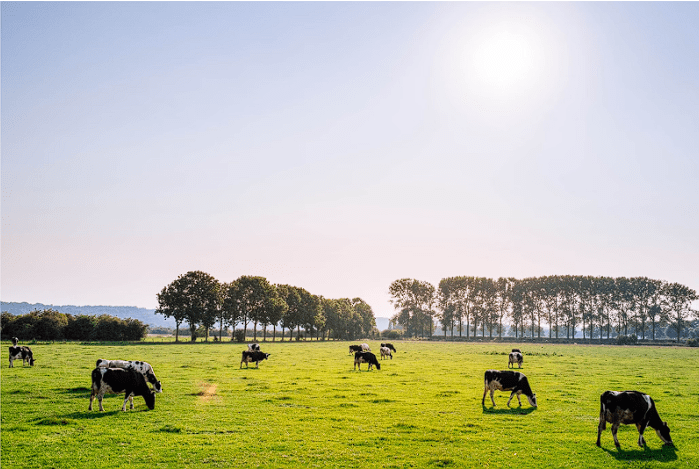
Dairy farms produce milk, cheese, and butter. Most Texas dairy farms raise cattle, however, some focus on goats or sheep for specialty dairy products. These farms require milking barns, refrigeration, and a steady water supply. Proper pasture management and quality feed keep livestock healthy and productive.
Livestock Farm
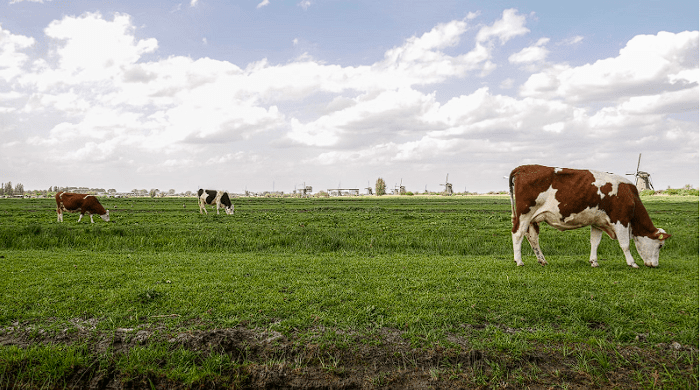
Livestock farms raise cattle, pigs, sheep, and poultry for meat, eggs, or breeding stock. Many focus on beef production, while others supply pork, lamb, or free-range poultry. Fencing, shelter, and access to grazing land are important to protect livestock in winter.
Plus, you can also get agricultural exemptions for livestock. An agricultural exemption is a unique valuation method. This means that if you own agricultural land, your property taxes are based on its productive agricultural value rather than its market value. To qualify for an agricultural exemption for livestock, your land must be predominantly used for livestock farming and must have maintained this use for at least five of the past seven years.
Agricultural Farm

Agricultural farms encompass a wide range of operations that cultivate crops for various purposes. These farms play a crucial role in the food supply chain, producing essential commodities such as wheat, corn, cotton, and hay, which serve as raw materials for food, feed, and fiber.
In regions like Texas, where the growing season is long, farms can successfully cultivate a diverse range of crops, including fruits, vegetables, and specialty crops. The suitability of specific crops for a particular region is determined by a combination of factors, such as soil composition, water availability, and climatic conditions.
Texas farms can employ various strategies to market and distribute their products. Some farms opt for direct-to-consumer sales, participating in farmers’ markets where they can interact directly with customers and sell their fresh produce. This approach allows farmers to establish a personal connection with consumers and potentially earn a higher profit margin by eliminating intermediaries. Other farms choose to supply their products to commercial buyers, such as food processing companies, wholesalers, or retailers.
Flower Farm

Flower farms grow fresh-cut flowers, ornamental plants, and herbs. Popular flowers include sunflowers, lavender, and wildflowers. Many flower farms sell directly to florists, event planners, or local markets. Some of the most popular flowers include the state flower, the Blue Bonnet, and tulips! Texans love tulips and host the annual Texas Tulips and Tulipalooza in South Dallas in April.
Bee Farm
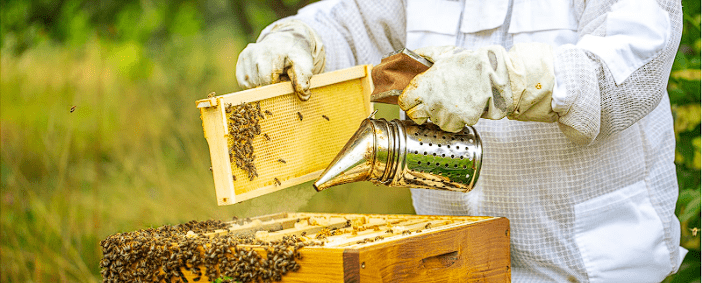
In 2022, Texas led the nation in bee farms with over 8,900 total—resulting in about 8.5 million pounds of honey. Bee farms produce honey, beeswax, and pollination services. Local honey is in high demand, especially raw and organic varieties. Beekeepers maintain hives, monitor colony health, and protect against pests such as mites.
Some farms also lease bees to nearby agricultural operations for pollination.
Energy Farm

Energy farms generate power through wind, solar, or biofuels. Texas leads the nation in wind energy, making wind farms a profitable option for alternative energy. Some landowners lease acreage for solar panels or grow crops such as switchgrass for biofuel production.
Specialty Farms in Texas
Specialty farms focus on unique agricultural products. Vineyards grow wine grapes in the Texas Hill Country. Truffle farms cultivate high-value fungi for gourmet markets. Exotic wildlife farms raise bison, ostriches, or alpacas. Wildlife farms also require a management plan that explains how, when, and where they plan to operate.
Other farms produce organic vegetables, heirloom fruits, or medicinal herbs. Each farm type requires specific land, climate, and management techniques. No matter what you decide to grow and sell from your farm, it’s an educational, exciting, and fulfilling journey.
How to Start A Farm in Texas
Texas offers a strong agricultural economy, low taxes, and business-friendly policies. Whether raising livestock, growing crops, or producing specialty goods, success depends on a clear plan and steady execution.
1. Obtain Your License or Registration
Texas requires specific licenses and registrations for farming operations. For example, selling livestock requires Texas Animal Health Commission registration, while growing crops may require a pesticide applicator’s license.The Texas Department of Agriculture provides a full list of requirements, including different fees for pesticide licenses, hemp licenses, nursery floral, identification cards, and more. Licensing fees start at around $100 but can vary, especially if a landowner is applying for a commercial license.
2. Plan Your Farming Operation and Timeline
Successful farm ownership begins with careful planning. Before breaking ground, it is essential to define your vision, assess your needs, and create a clear path forward. A well-structured business plan offers both direction and accountability as you move from concept to operation.
Whether you are starting small on a ranchette or preparing for a larger-scale venture, outlining your goals, available resources, and project timeline in advance will help you avoid costly setbacks and make confident decisions. Your farm business plan should include the following components:
- Management and Organizational Structure: Detail your legal structure, operational needs, and any external resources or service providers you intend to rely on.
- Operational Planning: Identify the equipment and materials required to run your farm. Note whether you already own essential tools or plan to acquire them. Include information about farm labor—who will help operate the farm—and outline any conservation practices or land stewardship plans.
- Financial Planning: Include projections for income and expenses, including living costs, equipment purchases, operational costs, debts, and loans. Be clear about how you will measure financial success and sustainability over time.
- Marketing and Sales Strategy: Describe how you plan to market your product, who your target customer is, and whether there is demand for what you offer. Include the cost of production, licensing requirements, and your pricing strategy.
Because farming operates on seasonal cycles, timing directly affects profitability. To prevent delays, develop a clear timeline for purchasing equipment, planting, harvesting, and selling. Consult with agricultural professionals to ensure your schedule is both realistic and aligned with local conditions. Build in flexibility to account for unexpected challenges along the way.
3. Build a Team
To build a successful farm team, you must clearly define your expectations and goals for your new farm and what type of help you’ll need around the farm. Do you need someone to help look after the livestock? Look after your farm store? Help with harvesting your crops? After determining everything, create detailed job descriptions and listings, and start interviews. The USDA helps beginning farmers by assigning a beginning farmer and ranching coordinator to help with farm planning and operations.
4. Securing Financing For Your Farm
Farms require capital for equipment, livestock, fencing, irrigation, and storage. USDA loans, farm grants, and private lenders provide funding options. Some programs cater to new farmers with lower interest rates or grants that do not require repayment. Financial reserves help manage seasonal income fluctuations.
Farm financing depends on whether the focus is land, equipment, or operations. Many farmers combine multiple funding sources from:
- Owner financing for land: Owner financing is a direct agreement between the buyer and seller, where the seller finances the purchase instead of a traditional lender. This gives buyers the opportunity to enjoy flexible down payments and a faster, streamlined approval process.
- USDA loans: Low-interest loans for new farmers. Options include farm ownership loans and microloans. The USDA and FSA offer loans for beginning farms and ranches, which allow access to land and capital. This is mainly to help new farmers for their first ten years of operating.
- Farm grants: USDA and state programs offer equipment, irrigation, or conservation grants.
- Farm credit lenders: These lenders specialize in agricultural loans and often require strong credit and a business plan.
- Traditional bank loans: Bank loans require collateral and a down payment. Traditional banks can be difficult because interest rates vary and can be high, and banks can be strict about credit scores and development plans.
- Personal savings and investors: Some farmers use personal funds or private investors to start.
Liberation Ranches makes it easy to buy land in Texas, even without a bank. All of our loans are set up as traditional mortgages, amortized over the lifetime of the loan. We do not offer balloon mortgages, and do not charge PMI (private mortgage insurance).
With owner financing, simply put money down on your new land today, and own a piece of Texas tomorrow!
Learn more about owner financing with Liberation Ranches.
5. Choose Your Farmland
Farmland must match the needs of the farm. For example, if you plan to open a farm to grow vegetables, you need to ensure the soil is fertile and suitable depending on the crop you want to grow. Or, if you want to own cattle and other animals, you might want to check the fencing setup before buying. The wrong land can delay progress and increase costs. The right land makes farming more efficient and profitable.
When looking for farmland, make sure to consider multiple factors, like:
- Soil: Make sure the soil can support the crops you’re trying to grow. For example, if you want to grow strawberries, then you may want land with sandy-like soil.
- Location: Work with a realtor and visit potential locations for your farmland. Look for land that is in the perfect location for your crop, flower, bees, or livestock, and in close proximity to any amenities they’d need, like water and electricity.
- Fencing: Look for a location that comes with fencing for privacy, holding livestock, and outlining property boundaries.
- Water: Water, lakes, or ponds can increase the property value, attract wildlife, and be helpful during a drought. Be sure to look into the water quality, maintenance, and your water rights before purchasing the land.
- Infrastructure: Purchasing land with established infrastructure can reduce building costs and add to your property. Some examples of infrastructure are water and power lines, septic tanks, cable lines, and more.
- Budget: Starting a farm can be costly, so ensure that your budget is realistic. You need funds for a down payment, any building costs, and to buy livestock or crops.
- Climate: Texas’s climate varies all over the state. Look for land with a suitable climate for your livestock or crops.
Liberation Ranches is home to an experienced team of land experts who are more than capable of finding the right farmland for your needs. We have multiple listings in San Antonio, Dallas, Fort Worth, Houston, and throughout the rest of the Lone Star State.
Liberation Ranches also offer owner financing, which allows you to purchase land without working with a traditional bank. This option can help speed up buying and receiving loans directly through Liberation Ranches. Download our owner financing checklist and see what you need to qualify!
6. Register Your Farm
After purchasing land and securing licenses, farmers must register with the IRS for a tax ID. This allows access to agricultural exemptions, USDA programs, and business banking. Selling directly to consumers may require a Texas sales tax permit. Proper registration prevents legal and tax issues.
7. Maintain Your Farm
Farms require daily maintenance. Livestock need feeding, healthcare, and practices to cool them in the summer heat. Crops require irrigation and pest control. Equipment must remain in working condition. Weather, disease, and supply costs impact operations.
Keeping records on expenses, yields, and market changes helps farmers adjust plans and maintain profitability.
Maintaining a farm can be a rewarding experience outside of making a substantial profit. New farmers get the chance to see their vision come to life. Share the product and crops with their local community, attend livestock and auctions, and start a lifelong career.
Find the Perfect Texas Farmland With Liberation Ranches
Texas offers diverse landscapes. Some regions have open pastures for grazing, while others have fertile soil for crops. Water sources, climate, and regulations vary. Buyers who know their farming goals can choose land that supports long-term success.
Liberation Ranches can help you find your perfect piece of farmland in Texas. Our land experts work with you from start to finish, ensuring the land-buying process goes smoothly. We specialize in move-in-ready ranchettes that offer practical features such as gated access, barbed-wire fencing, maintained roads, and nearby utilities. Whether you need open space for livestock, cleared acreage for planting, or room to expand, we match you with land that fits your vision and your needs.
If you are ready to begin your farm journey, give us a call today!
FAQs About Starting a Farm in Texas
Startup costs depend on land, livestock, crops, and equipment. Small farms can begin with $10,000 to $50,000, while larger operations require hundreds of thousands.
Land is the biggest expense. Rural Texas land ranges from $2,500 to $30,000 per acre, depending on location and quality. Equipment, seeds, livestock, and fencing add to costs. A farm tractor costs anywhere from $25,000 to $50,000. Wells, barns, and irrigation systems each add thousands more.
Lower-cost farms start with leased land, used equipment, and direct-to-consumer sales. Government grants and low-interest loans help cut startup expenses.
Some farms need less land, money, and labor. Vegetable farms are the easiest farm to start for beginner farmers. They usually require a low investment and easily generate a steady income. Another benefit of vegetable farms is that some vegetables have a shorter growing cycle, meaning multiple harvests throughout the year!
Livestock, such as cattle or goats, require more land and investment. Crop farms need irrigation and soil management. The best choice depends on budget, skills, and land availability.
According to the Texas Farm Bureau, a “small farm” is 100 acres or less and has only produced agricultural products and commodities for no more than five years. However, there is no specified acreage for a farm to be called a farm. Instead, it depends on the intended use of the land and if the operation has sold more than $1,000 worth of agricultural products each year.
