


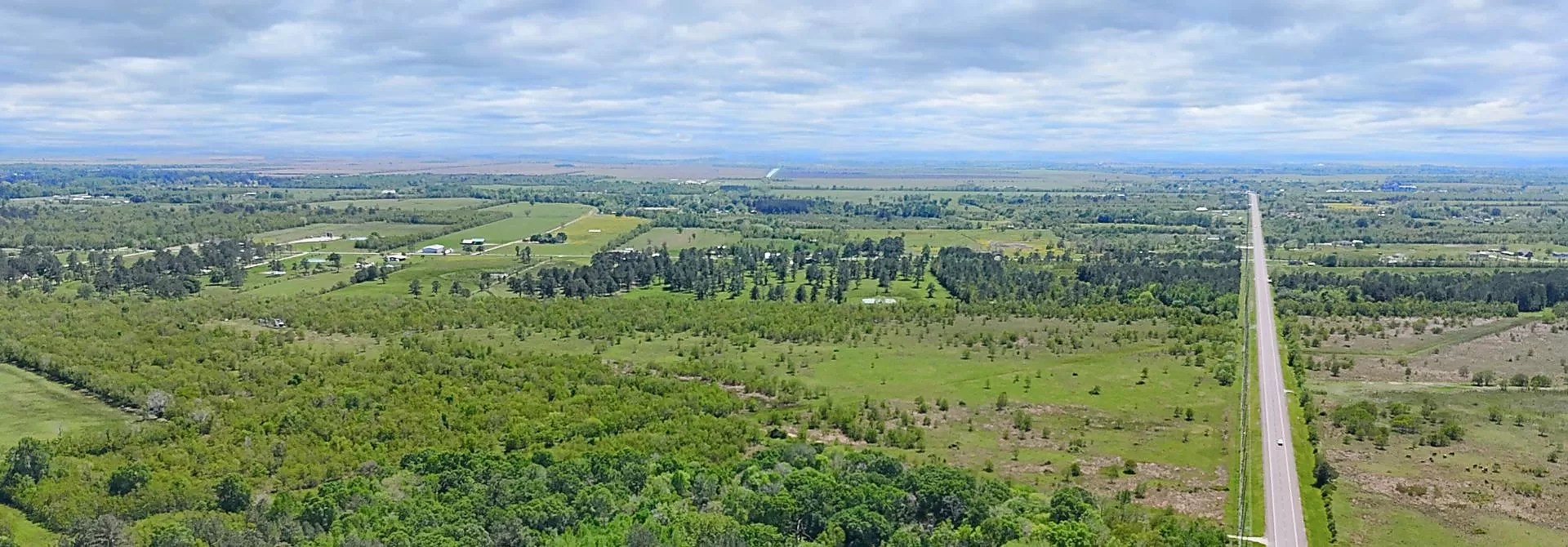
In the vast expanse of Texas, where urban skylines meet open plains, land ownership has long been a cornerstone of wealth and opportunity. While urban real estate often garners the spotlight, it’s the rural lands, spanning ranches, farms, and recreational properties, that consistently demonstrate resilience and long-term value. Recent data from Texas A&M University’s Texas Real Estate Research Center (TRERC) underscores the enduring strength of rural land markets, while the hybrid-work model, unstable workforce trends, and rising residential vacancies have introduced increased risk and unpredictability to urban land investments.
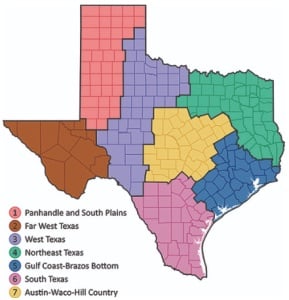 Texas is divided into several land market regions, each with its unique characteristics. Regions 4 through 7 have shown particular promise:
The Enduring Appeal of Rural Land in Texas
Rural land in Texas offers a unique blend of stability and potential. Unlike urban properties, which can be susceptible to market fluctuations and overdevelopment, rural lands often appreciate steadily, driven by factors like agricultural demand, recreational use, and limited supply. Moreover, these lands provide tangible assets that can be utilized for various purposes, from cattle grazing to hunting leases, ensuring multiple revenue streams for owners.Urban Land: Opportunities and Challenges
While rural land offers stability, urban land in Texas’s major cities and suburbs, such as Houston, Dallas, and San Antonio, presents both opportunities and challenges:- Houston: The city is experiencing affordability concerns, with rising housing costs and growing climate risks. According to the Houston Chronicle, between 2022 and 2023, median rents in Houston and Harris County increased by 9%, and more than half of renters are now classified as cost-burdened. Additionally, increased development has led to a 5% rise in impervious surfaces since 2014, intensifying flood risks and extreme heat.
- San Antonio: Residential demand in San Antonio’s urban core is evolving. While the downtown area has traditionally been more commercially focused, recent market trends, including falling property values and shifting work habits, have opened new opportunities for single-family conversions and infill housing. Downtown San Antonio’s office market is struggling, with a 26.7% vacancy rate in the city center compared to 17.4% citywide. As remote and hybrid work reshape how families live, developers are increasingly repurposing underutilized downtown office buildings into residential units, with growing interest in walkable neighborhoods and lifestyle-driven living near the city center.
- Dallas-Fort Worth: The Dallas-Fort Worth metro continues to lead the state in population growth, fueling demand for single-family homes across both urban and suburban neighborhoods. Infill development in cities like Dallas and Fort Worth is making it easier for families to live closer to work, schools, and amenities, while master-planned communities on the outskirts attract buyers looking for more space. Hybrid work models have made flexibility a top priority for many homeowners, contributing to increased interest in homes that offer home offices and proximity to green spaces.
Insights from the Texas Real Estate Research Center
According to TRERC’s Fourth Quarter 2024 report, the Texas rural land market exhibited signs of stabilization. For the first time in over two years, the statewide annualized number of acres sold and total dollar volume increased year over year. Although rural land sales in Texas are still below 2019 levels, the rate of decline has nearly leveled off, dropping just 2.94% year-over-year. Meanwhile, prices have continued to rise – up 1.88% to $4,776 per acre – showing strong demand and signaling a stabilizing, resilient market. This trend indicates a renewed interest in rural properties, driven by factors such as the desire for open spaces, agricultural pursuits, and investment diversification.Spotlight on Regions 4-7: Investment Opportunities Abound
Texas is divided into several land market regions, each with its unique characteristics. Regions 4 through 7 have shown particular promise:
- Region 4: Located in Northeast Texas and known for its mix of agricultural and recreational lands, this area has seen consistent demand from both local and out-of-state buyers.
- Region 5: Standing out among its peers, Region 5, located at the Gulf Coast-Brazos Bottom, has experienced a notable uptick in sales volume and price stability. Its proximity to major urban centers like Houston and its blend of diverse topography make it highly desirable for ranching, homesteading, and weekend retreats. A key trend in this region is the growing demand for small acreage tracts, particularly those under 15 acres, which are becoming increasingly scarce. Limited inventory near city outskirts has led to rising per-acre values, driven by buyers seeking privacy, investment potential, or a rural lifestyle within commuting distance of large cities. Some of the more in-demand areas for rural land in Region 5 include Bedias/Coldspring, Liberty/Dayton, Anahuac, Sour Lake, El Campo, Garwood, and Rock Island.
- Region 6: With its rich soil and established farming communities, this region of South Texas continues to attract investors seeking long-term agricultural ventures. In-demand areas include Jourdanton and Poteet.
- Region 7: Characterized by its scenic landscapes and recreational opportunities, Region 7 in Central Texas, within the Austin-Waco-Hill Countr,y appeals to those looking for hunting properties and nature escapes. This region is also seeing increased interest in smaller tracts near growing metro areas, further tightening inventory and boosting land values. In-demand areas include Grandview and Itasca.
Expert Perspective: Sacha Ferrandi on Rural Land Investment
Sacha Ferrandi, founding partner of Source Capital Funding, emphasizes the strategic value of investing in rural land:“Rural land in Texas presents a unique opportunity for investors. Its inherent stability, combined with the potential for diverse uses: agriculture, recreation, or development makes it a compelling addition to any investment portfolio. As urban areas become more saturated, the value of open, versatile land becomes increasingly apparent.”Ferrandi’s insights highlight the growing recognition of rural properties as not just alternative investments but as foundational assets with enduring value.
Factors Driving Rural Land Value
Texas rural land continues to hold strong value, especially on a price-per-acre basis, despite fluctuations in total acreage or the number of tracts sold. Several factors support this consistent strength:- Consistent price growth: While the number of acres sold or transactions may vary from year to year, price per acre has remained stable or increased in many rural areas. This reflects the long-term value of rural land ownership, even during periods of broader market adjustment.
- Limited supply: Unlike urban real estate that can be expanded through vertical development, rural land is naturally finite. Its scarcity ensures that demand continues to apply upward pressure on per-acre values.
- Diverse use cases: Rural land offers exceptional versatility, whether for agriculture, ranching, hunting, recreational retreats, or passive income opportunities like leasing.
- Tax advantages: Agricultural exemptions and other property tax incentives can make rural land ownership financially attractive and sustainable over time.
- Lifestyle appeal: Demand for space, privacy, and natural surroundings continues to rise, especially post-pandemic. This demand further reinforces value stability in rural markets.
Why Buying Rural Land Remains a Smart, Stable Investment
For Texas investors, rural land stands out as a dependable long-term investment. While urban real estate may offer faster returns, it often comes with more volatility, rising costs, zoning complexities, and exposure to shifting trends such as remote work and commercial realignment. Rural land, in contrast, offers steady price appreciation on a per-acre basis, lower acquisition costs, and a broad range of uses. Its enduring demand and limited availability create a reliability that urban properties often lack. Even when annual sales volumes decline, the value per acre continues to reflect strong fundamentals. For buyers seeking tangible assets with long-term upside, rural land remains one of the most resilient and flexible investments available.Check out this article next
![The Complete Guide to the State Fair of Texas [2025]](https://assets.agentfire3.com/uploads/sites/2489/2026/02/Screenshot-2025-07-22-211331-500x500.jpeg)