


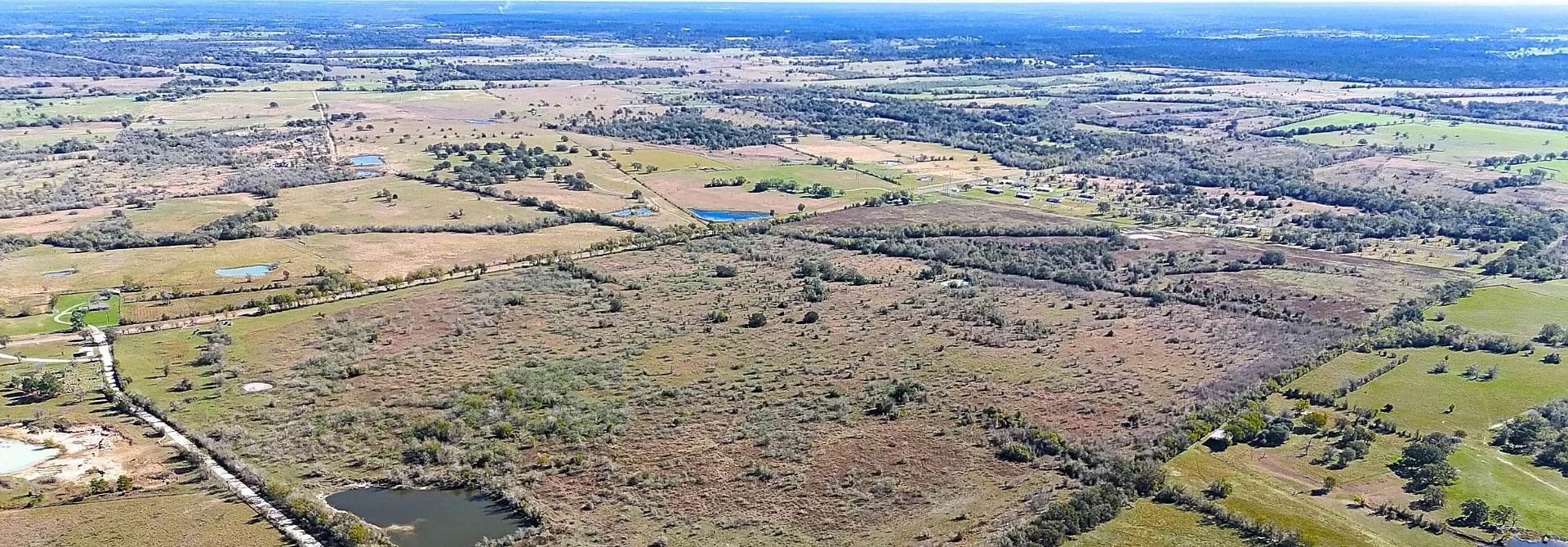
Texas land has never been just a financial asset; it's a lifestyle. Whether you're picturing a weekend retreat in the Hill Country, a working cattle ranch in West Texas, or a slice of East Texas timber country, the Lone Star State offers more variety per square mile than almost anywhere else in the country. And the numbers back it up: Texas added more new residents than any other state in 2025, bringing its population to 31.7 million, and demand for land keeps pace with that growth.
That said, buying land for the first time comes with a learning curve. This guide walks you through every step of the process, from researching regions and understanding regulations to securing financing and signing the deed. Whether you're just starting to explore or already have a property in mind, here's what you need to know to buy land in Texas with confidence.
Key takeaways
- Texas offers a prime combination of benefits for land buyers, including its central location, no state income tax, increasing land value over time, and opportunities for farming and ranching.
- Begin by researching areas that fit your vision, such as ranchettes for family retreats or open spaces for agriculture, and visit properties in person to ensure they meet your needs.
- Understanding zoning laws, deed restrictions, and land regulations early on is vital for ensuring the property aligns with your intended use.
- Buyers have flexible financing options, including owner financing, traditional bank loans, and specialized land lenders, which can make purchasing land more accessible.
- Opting for properties with improvements like maintained driveways, secure fencing, and access to water and electricity can help you settle in and use your land sooner.
Why Buy Land In Texas?

[Source]
Texas is not for everyone, but for most landowners, it is easy to see why so many people are drawn to the Lone Star State. Here is why Texas is one of the best places to buy land:
Location
Texas is one of the most versatile places to own land, offering something for everyone. Texas delivers plenty of wide-open spaces for a weekend retreat, a place to raise livestock year-round, or start a farm. And even if you are in a more rural spot, you are likely just a short drive from vibrant city life, whether that means heading to Houston for the annual Rodeo, spending time at San Antonio’s many family attractions, or enjoying Dallas-Fort Worth’s nightlife. This unique balance of open land and city convenience is what makes Texas so appealing.
No State Income Tax
Along with prime locations, living in Texas means you can keep more of your income. Without a state income tax, many landowners find they have extra room in their budgets for improvements, expansions, or simply enjoying life.
High Growth Potential
Texas continues to be one of the fastest-growing states in the country. The Texas Demographic Center projects the state could surpass 45 million residents by 2060. More people moving in means more demand for land. And since only so much land is available, its value tends to increase over time.
Even if you don't plan to live in Texas, you can still invest in something that historically holds and grows in value. According to the Texas Real Estate Research Center, statewide rural land prices have posted a five-year compound annual growth rate of 11.2 percent.
Agriculture Opportunities
Texas is a prime location for agriculture, with fertile land for crops and open spaces for livestock. The state offers fertile soil and endless potential to make the most of your land for both large-scale farming and smaller, specialized projects.
Texas is a leader in agricultural exports like meat, cotton, and grains. It also boasts a diverse range of opportunities in specialty crops like pecans, citrus, and wine grapes, thanks to its varied climate zones.
How to Buy Land In Texas
[Source]
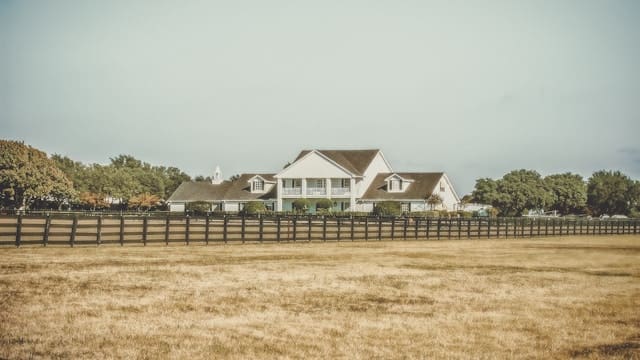
Buying land in Texas can feel like a big step, especially when you are comparing locations, financing options, and legal details at the same time. A clear plan makes the process easier and helps you move forward with confidence.
1. Research and Visit Texas Locations
The first step in buying land is deciding where you want to be. Texas is a big state, and each area offers something unique, like wide-open ranchland, easy access to city life, or being near the water.
- East Texas: East Texas is known for its lush, forested landscape, abundant water, and strong timber and hunting culture.
- Central Texas: Central Texas gives buyers a mix of open land, rolling hills, and access to growing cities. It’s the most in-demand region in the state, as prices have climbed to an average of $7,911/acre.
- West Texas: West Texas offers wide-open ranchland at some of the most accessible price points in the state, roughly $2,878/acre. Water access is more limited, so buyers should research wells and existing infrastructure carefully before purchasing.
Once you have narrowed it down to some general areas, connect with one of our land specialists. They can help you find locations that match your needs, give you insight into what daily life is like in the area, and arrange property visits so you can see the land firsthand.
2. Know Your Land Regulations and Zoning Laws
It's important to understand zoning laws and regulations early in the process. These rules dictate how a property can be used for residential, commercial, or agricultural purposes.
One important advantage of buying rural land in Texas: most land lying outside city limits does not have zoning restrictions. This means buyers can typically use their land for residential, commercial, agricultural, industrial, or mixed-use purposes without the limitations common in other states.
Buying land through Liberation Ranches comes with minimal restrictions. We prohibit things that would significantly diminish property value, such as no junk or salvage yards, no slaughterhouses or commercial feedlots, and no commercial RV or mobile home parks. Beyond that, we help you buy Texas land you can truly make your own. Each tract we offer comes with details on available amenities, including options for wells, basic utilities, fencing, driveways, and more.
3. Secure Finances
Next, it is time to prepare a way to secure your financing. Make sure to know your credit score, save for a down payment between 15% and 30%, and gather proper documentation. Here are a few options you have once you have collected everything:
Owner Financing
Owner financing allows you to purchase land directly from the seller—without going through a traditional bank. This option often features flexible down payments, no bank fees, and faster approval, though terms vary from owner to owner.
Liberation Ranches owns all of the property they sell and offers owner financing to every buyer. Their loans are structured as traditional mortgages, amortized over the life of the loan, with no balloon payments and no PMI. Financing is offered at 10.9% interest over 20 years, with no prepayment penalty, and the loan can be refinanced at any time. To qualify, buyers generally need 6 months of bank statements, 6 months of pay stubs, and the most recent tax return.
Currently, there are no credit score minimums required to qualify, though all lending criteria and approvals are ultimately subject to the seller's discretion and may be adjusted at any time based on market conditions or internal review.
Owner financing through Liberation Ranches is a convenience, not a requirement, buyers are welcome to explore other lenders. That said, traditional lenders typically require a 20–25% down payment on land, which can mean $50,000 or more, depending on the property. A current $0 down option makes getting started a lot more approachable, and the whole process easy to navigate even without a bank.
Learn more about owner financing with Liberation Ranches.
Bank Loan
Traditional bank loans are another option that typically requires a strong credit score and a substantial down payment. The interest rates can be competitive, but the process involves extensive paperwork and strict credit checks. For example, banks may ask for proof of income, tax returns, and a detailed purpose for the land, such as farming or residential use.
Specialized Land Loan Lenders
Specialized land loan lenders focus specifically on land purchases. They often understand the nuances of land purchases better than traditional banks. While they may offer more flexible loan terms, interest rates can vary widely depending on the land’s intended use and location.
For example, they might require a larger down payment for raw land versus land already improved with utilities or infrastructure. Compare their rates and terms to find the best fit for your needs.
4. Choose Your Land
Now comes the fun part…picking the land that fits your vision! Consider what you plan to do with the land over time. Are you building a home, raising livestock, starting a farm, or just looking for a weekend retreat to enjoy with the family?
Consider the following:
- Improvements: Driveways, fencing, water wells, and electricity already being set up can save you a lot of time and money. Properties from Liberation Ranches often include all of these features to make it easier to jump right into your plans.
- Terrain: Flat or hilly land, natural water sources like ponds or rivers, and the type of vegetation all play a role in how the land can be used. For example, grassy areas are great for open, outdoor activities on the weekend, while rocky areas might limit farming options.
- Floodplain status: Being in a floodplain isn't automatically a downside, as these areas often have fertile soil and natural water features. Review FEMA flood maps and factor in whether flood insurance will be required.
- Wildlife: If hunting or fishing is part of your vision, look for land with deer, hogs, or fish. Be mindful of potential challenges from animals like feral hogs or coyotes that could impact your property use.
- Water access: Check whether an existing well is on the property and in working condition. If not, budget for drilling costs in Texas typically runs $15–$30+ per foot, depending on depth and region.
- Mineral rights: Most Texas properties have already had mineral rights severed from surface rights and owned separately. Unless a listing specifically states they're included, plan on surface rights only.
If you have a vision but aren't sure which property fits best, speak with a specialist at Liberation Ranches. They can match you with properties based on your interests, budget, and lifestyle.
5. Sign the Contract
Once you've chosen your property, the next step is signing a contract to formalize the agreement. Carefully review the document to confirm it includes all agreed terms: purchase price, contingencies, and financing details. A real estate attorney can review for discrepancies or unclear language.
With Liberation Ranches, the process works like this: at signing, you'll provide earnest money (held in escrow by the title company) along with a loan application fee, both via cashier's check or money order.
It's important to know that Liberation Ranches' owner financing is structured as a Special Warranty Deed and a Deed of Trust, not a Contract for Deed. The buyer receives the Warranty Deed, which transfers ownership, while the Deed of Trust secures the financing. This is a meaningful distinction: you are the legal owner of the property from the moment of closing.
From there, the title company reviews the contract and survey before issuing a title commitment. The title policy ensures the property is free from past claims or liens. Simultaneously, your financial documents are submitted to a residential mortgage loan originator (RMLO) for a credit check and income review. If you qualify, the RMLO sends a loan disclosure outlining preliminary loan terms and estimated closing costs.
Keep in mind that signing loan disclosures and receiving a title commitment does not guarantee final approval. Additional underwriting steps are required before closing is confirmed.
6. Close on the Land
Closing is the final step to officially owning your Texas land. Be prepared to pay closing costs, which include title insurance to protect against future ownership disputes and recording fees to document the change of ownership with the county.
You will sign important documents, like the deed, which legally transfers the land to your name. You may want to have a lawyer review these documents again to ensure everything is accurate and secure.
Once all costs are paid and documents are signed, you will receive confirmation of ownership. The deed will be sent to you separately after it has been officially recorded with the county. Congratulations, the land is yours!
Become a Texas Landowner With Liberation Ranches
Now that you have learned everything about buying land in Texas, you are ready to take the first step toward owning your ideal property. Whether you are just beginning your search or already have a specific piece of land in mind, consider Liberation Ranches to make the process as stress-free as possible.
We handle the complex parts of the buying process, from finding the perfect plot to securing flexible owner financing.
Start your journey with Liberation Ranches today
FAQs on Buying Land in Texas
How much does 1 acre of land cost in Texas?
Land prices in Texas vary widely by region. The statewide average reached $5,158 per acre in late 2025, a nearly 6% year-over-year increase. But averages only tell part of the story.
In West Texas, land runs roughly $2,787/acre; in the Panhandle and South Plains, prices can dip below $2,000/acre. Meanwhile, the Austin–Waco–Hill Country region averaged $7,704/acre, and Northeast Texas came in around $9,313/acre.
Land near major metro areas like Dallas, Houston, and Austin commands the highest prices due to development demand, while rural acreage farther from cities remains more affordable.
What are typical closing costs when buying land in Texas?
Typical closing costs when buying land in Texas often include title insurance, escrow or title company fees, recording fees, survey costs if a new survey is needed, and lender charges if financing is involved. Many buyers spend about 3% to 5% of the total loan amount, although the percentage can feel higher on lower-priced tracts because several fees stay fairly fixed.
Does land in Texas qualify for an ag exemption?
Land in Texas may qualify for what is commonly called an ag exemption, although the tax benefit is usually an agricultural valuation based on how the land is actively used rather than a full exemption. Common qualifying uses include cattle grazing, hay production, beekeeping, timber, and certain wildlife management practices, depending on county rules.
However, qualification is not automatic. County appraisal districts usually look at acreage, use history, and whether the land meets local agricultural standards, so buyers should confirm the exact requirements for the property before moving forward.
Check out this article next
![The Complete Guide to the State Fair of Texas [2026]](https://assets.agentfire3.com/uploads/sites/2489/2026/02/Screenshot-2025-07-22-211331-500x500.jpeg)